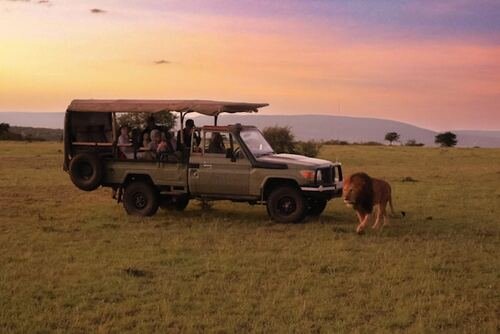
The landscape of East Africa is a mosaic of ecosystems, ranging from the snow-capped peaks of extinct volcanoes to the endless, shimmering horizons of the low-lying plains. Among these, the savannah stands as the most iconic, a vast stage where the drama of survival plays out daily. Understanding the geography of this region is essential for anyone wishing to comprehend how such a high density of large mammals can coexist in a relatively confined space. The secret lies in the diversity of the terrain and the seasonal availability of resources.
The Great Rift Valley and Its Impact
The geological scarring of the Great Rift Valley has created a series of unique habitats. This massive trench, visible from space, is responsible for the dramatic escarpments and the chain of soda lakes that dot the region. These lakes, often alkaline and seemingly inhospitable, are actually vibrant hubs of life, supporting millions of lesser flamingos and other specialized bird species. The volcanic soil found in the surrounding highlands is incredibly fertile, giving rise to lush forests and providing the nutrient-rich grasses that fuel the great herbivore populations.
The Role of Conservation Corridors
In recent decades, the focus of wildlife management has shifted from isolated parks to the concept of conservation corridors. These are vital strips of land that allow animals to move freely between protected areas, following ancient migratory paths. Participating in a safari in Kenya allows travelers to see this connectivity in action. When wildlife can move across landscapes—from the arid northern bushlands of Samburu to the rolling hills of the south—the genetic health of species is maintained, and the pressure on individual ecosystems is reduced.
Predator-Prey Dynamics on the Open Plains
The open savannah is perhaps the best place on Earth to witness the raw mechanics of evolution. The relationship between apex predators and their prey is a delicate dance of strategy and physical prowess. Cheetahs utilize the flat terrain for high-speed chases, while lions rely on the cover of tall grasses and the strength of the pride. Observing these interactions provides a window into the balance of nature; predators keep herbivore populations in check, ensuring that the grasslands are not overgrazed, which in turn preserves the habitat for smaller creatures, insects, and birds.
Beyond the Horizon: The Coastal Influence
While the inland plains dominate the narrative, the influence of the Indian Ocean cannot be overlooked. The coastal forests and mangroves provide a different kind of sanctuary, acting as a bridge between marine and terrestrial life. This geographical variety ensures that the region remains one of the most biodiverse places on the planet, offering a lifetime of exploration for those willing to look beyond the obvious.
The Human Element in Ecosystem Preservation
A crucial, yet often overlooked aspect of this geographical puzzle is the role of the indigenous communities who have inhabited these lands for generations. Their traditional knowledge of animal behavior, seasonal water sources, and medicinal plants is an invaluable asset to modern conservation science. By integrating ancestral wisdom with contemporary ecological research, conservationists can create more resilient strategies for protecting endangered species. This synergy between humanity and the wild is a testament to the fact that people are not separate from the environment, but rather a vital part of its ongoing story.
The Ethics of Modern Exploration
As global travel becomes more accessible, the responsibility to preserve these fragile landscapes falls on the shoulders of every visitor. Ethical exploration goes beyond simply observing animals; it involves minimizing one’s carbon footprint and ensuring that the economic benefits of tourism reach the people on the ground. Supporting lodges and initiatives that prioritize renewable energy and waste reduction helps maintain the pristine nature of the savannah. Ultimately, the goal of any journey into these wilds should be to foster a deeper understanding of the world’s interconnectedness, ensuring that the roar of the lion and the vastness of the plains remain for future generations to experience.